What to Do When Bone Loss Complicates Your Dental Implants
All-inclusive Dentistry in Indianapolis
.svg)
When the Plan Changes Mid-Treatment
Maybe you researched your options, mapped out the costs, asked the recommended questions. Walking into your consultation at the dentist, you might have felt prepared. Then came the words "bone loss," and suddenly the straightforward path you had planned started to feel a lot less certain. That shift can be genuinely frustrating, especially when the setback has nothing to do with anything you did or didn't do.
Bone loss doesn't automatically take implants off the table. It changes the path, not necessarily the destination. Patients at this exact crossroads often find that while the news can feel overwhelming initially, understanding your options helps restore that sense of control.
This article walks through that path clearly. Not to talk you out of implants, and not to gloss over the extra steps. You'll get a realistic look at what comes next so you can move forward with confidence in your decision.
What You'll Learn
- Why bone loss complicates implants The mechanics of why implants need solid bone foundation
- How bone grafting works What the procedure actually does and why it's effective
- Timeline and cost realities Realistic numbers for planning your treatment and budget
- Alternative approaches When grafting isn't the only option worth considering
- Questions to ask your provider How to evaluate your options and make informed decisions
- Getting a clear assessment What to expect from a thorough consultation
Why Bone Loss and Implants Don't Mix Without Intervention

A dental implant is essentially a small titanium post that gets placed directly into your jawbone. For that post to hold and function like a natural tooth root, the bone around it needs enough density and width to fuse with it over time. Think of it the way you'd think about setting a fence post: the ground has to be solid enough to grip it. If the soil is too loose or shallow, the post won't hold no matter how well it's installed.
Bone loss in the jaw is a predictable biological response, not a personal failure. When a tooth is lost, the jawbone in that area no longer receives the stimulation it needs to maintain its density. The body, being efficient, begins to resorb that bone tissue. The same process can be triggered by:
- Tooth loss left unaddressed over time
- Gum disease that has affected the bone beneath the gumline
- Long-term denture wear, which doesn't stimulate the bone the way a natural root does
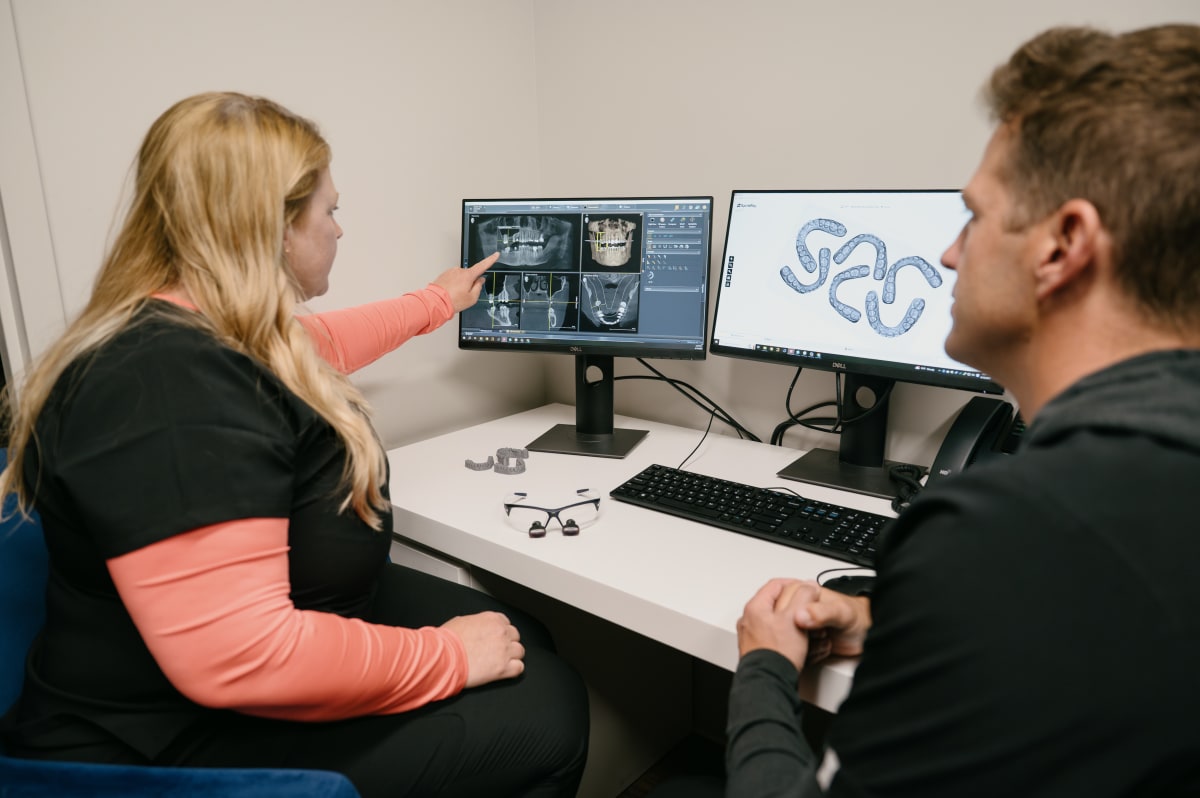
Through 3D imaging and clinical examination, bone loss can be measured precisely before treatment begins. This assessment determines exactly how much bone is available and what type of grafting, if any, would be needed. This evaluation should happen during your consultation, not discovered mid-treatment.
When bone loss is identified, it doesn't mean you've missed your window for dental implants. It means there's a preparatory step that needs to happen first.
What Bone Grafting Actually Does
Bone grafting rebuilds the foundation your jaw lost, giving an implant something solid to anchor into. Think of it as laying the groundwork before construction begins.
The graft material can come from several sources: your own bone (often from the chin or back of the jaw), processed donor bone, or synthetic materials. Each acts as a scaffold that your own bone tissue grows into and eventually replaces over time.
Many patients want to understand which type of graft material works best for their situation. Your own bone typically integrates most predictably because it's already compatible with your body's healing process. Donor bone and synthetic materials offer advantages when harvesting your own bone would require a more complex procedure. The choice often depends on the amount of bone needed and the location of the graft site.
The grafting sequence follows a clear path:
- Graft material is placed at the site where bone volume is insufficient
- A healing period follows, typically 3-6 months, while your bone integrates the graft
- Once the site is ready, implant placement proceeds as originally planned
- After implant placement, another healing period allows the implant to fuse with the bone
During the healing period, mild discomfort and swelling are typical for the first few days. The graft site should not be painful after the first week, and any persistent pain or unusual symptoms warrant a follow-up call. A provider experienced with bone grafting should explain why they're recommending a specific material for your case and what to expect during recovery.
Timeline and Cost Considerations
Bone grafting extends both your treatment timeline and financial investment. Most grafts require 3-6 months of healing before implant placement can proceed, though complex cases may need longer. For patients in the Indianapolis area who need to coordinate time off work or arrange childcare, this healing period becomes a significant factor in scheduling.
The financial impact varies considerably based on the type and extent of grafting needed. Simple socket preservation might add $300-800 to your treatment cost, while more extensive ridge augmentation can range from $1,200-3,000 per site. These numbers matter because a failed implant due to insufficient bone support typically costs 2-3 times more to address than the preventive grafting would have cost initially.
During your consultation, ask for specific financial and scheduling information:
- A complete treatment timeline showing each phase and healing period
- An itemized cost breakdown that includes all potential procedures
- Clear explanation of what circumstances might require plan modifications
- Written estimate that distinguishes between likely costs and possible additional procedures
- Information about what your insurance typically covers for bone grafting procedures
When Grafting Isn't the Only Option
Bone loss doesn't follow a single script. Every jaw is different. Every patient's history is different. And the treatment path that makes the most sense for one person may not be the right fit for another.
In some situations, the degree of bone loss is modest enough that shorter implants or implants designed for reduced bone volume could be worth discussing. For patients with significant bone loss in multiple areas, All-on-X treatment may offer a more predictable outcome than individual grafts and implants. This approach can address multiple missing teeth with fewer implants, often making it a practical solution when traditional implant placement would require extensive grafting.
All-on-X treatment may cost more upfront but could eliminate the need for multiple individual procedures. Shorter implants may reduce treatment time but require specific bone quality to succeed. Mini implants represent another option for patients with limited bone, though they're typically reserved for specific situations where traditional implants aren't feasible.
If you've already received a recommendation and something still feels unresolved, seeking a second opinion isn't a sign of distrust. It's due diligence. A consultation with another experienced implant provider in the Indianapolis area can either confirm the original plan or open up a more tailored approach.
We approach these conversations by giving patients all of their options, explaining the reasoning clearly, and letting informed decisions follow. When you're evaluating providers, look for this same commitment to transparency over any particular treatment approach.
How to Move Forward Without Losing Momentum
Finding a provider you trust is a real turning point. The next step is using that trust to become an active participant in your own treatment plan, not just someone who nods along and waits to be told what happens next.
When bone loss is part of your situation, time becomes a factor worth understanding. Bone continues to resorb over time, which can gradually narrow your options or make treatment more complex. Moving with intention rather than delaying indefinitely often preserves more choices.
When you sit down with your provider, come prepared with specific questions that address the concerns most patients have about complex treatment plans:
- What will the healing process actually look like, and what should I watch for?
- What are the realistic consequences if I wait six months or a year?
- What happens if complications arise during treatment?
- How many similar cases have you completed, and can I speak with a recent patient?
- Do you handle the entire treatment in-house, or will I need referrals to specialists?
These questions reveal how your provider handles complexity and patient concerns. A provider who welcomes detailed questions and provides clear, specific answers is demonstrating the kind of partnership you want for multi-phase treatment.
Pay attention to whether you receive vague responses or feel rushed through explanations. Treatment this involved requires a provider who takes time to ensure you understand each step before moving forward. Look for providers who can handle the complete treatment sequence without multiple referrals for better coordination and clearer communication throughout the process.
When you're ready to have that detailed conversation about your specific situation, Dr. Matthew Fraiz and Dr. Brian Fraiz have guided many patients through exactly this scenario. We approach these consultations with the understanding that informed patients make better decisions and focus on ensuring you understand both the necessity of each step and the realistic timeline involved.
Ready to Get a Clear Picture of Where You Stand?
If you've done your homework, weighed your options, and hit a wall because something unexpected came up in your imaging or a previous consultation left you with more questions than answers, that conversation is what we focus on. Our patients tell us they appreciate being given all of their options and feeling genuinely heard, not steered toward the most expensive treatment.
What to bring to your consultation:
- Any recent X-rays or imaging from other providers
- A list of medications you're currently taking
- Your insurance information
- Questions about cost and payment options
We have three locations across the Indianapolis area, so reach out to whichever is most convenient:
- Indianapolis: 9333 N Meridian St, Suite #225, Indianapolis, IN 46260 (317) 872-3465
- Shelbyville: 122 Lee Blvd, Shelbyville, IN 46176 (317) 398-6399
- Greenwood: 997 E County Line Rd, Ste L, Greenwood, IN 46143 (317) 865-1193
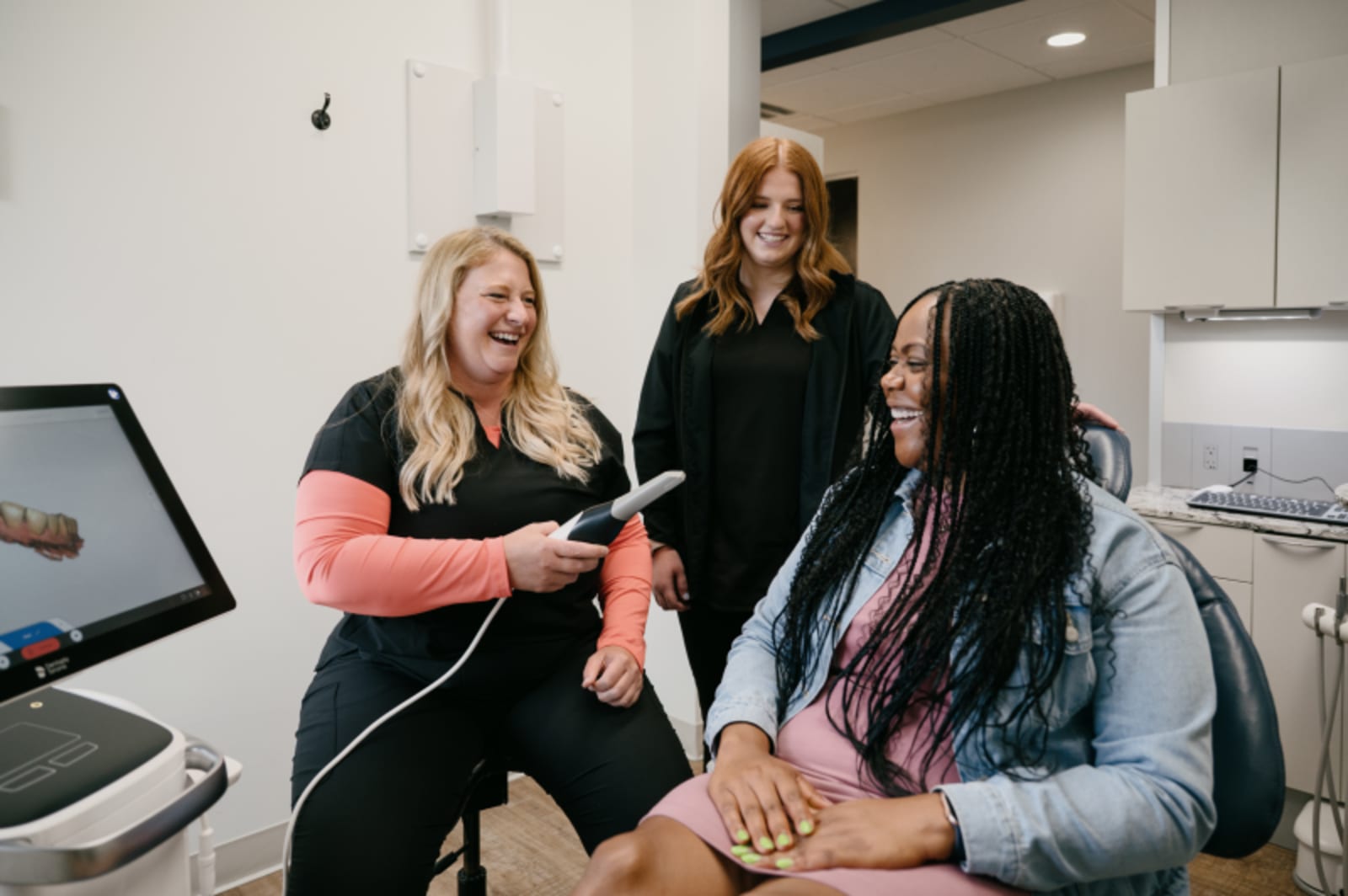
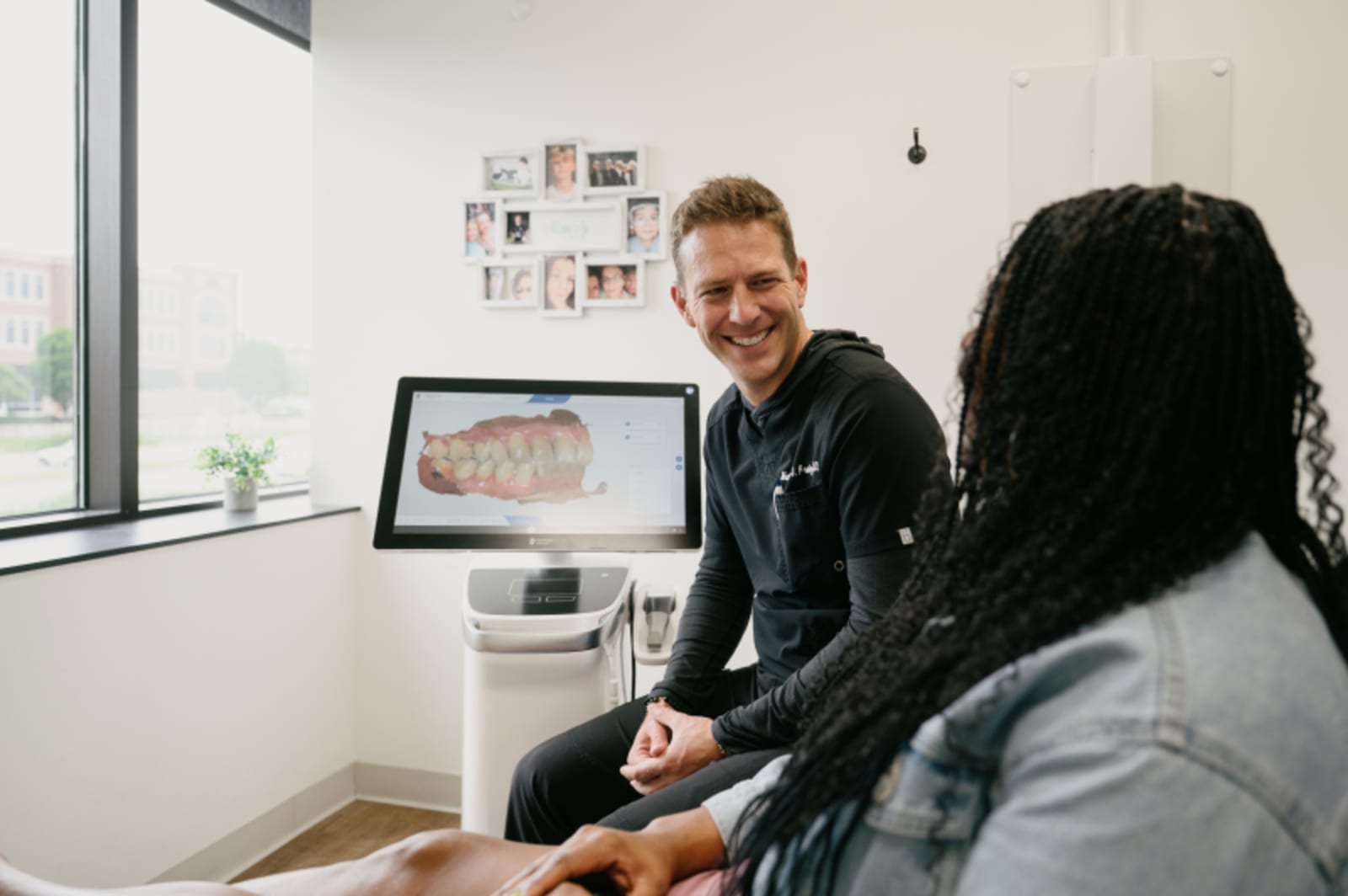
You can also learn more about our imaging technology and how intraoral cameras help us get a clear, accurate look at your bone structure before discussing treatment options. When you're ready for that conversation, we're ready to have it.
.jpg)
convenient
We invite you to enjoy trusted professionals, personalized treatment, and a great dental experience with three convenient locations to fit your life.

We can’t wait meet you
Request an appointment online to set up your first visit. We’ll be in touch soon.
schedule Appointment