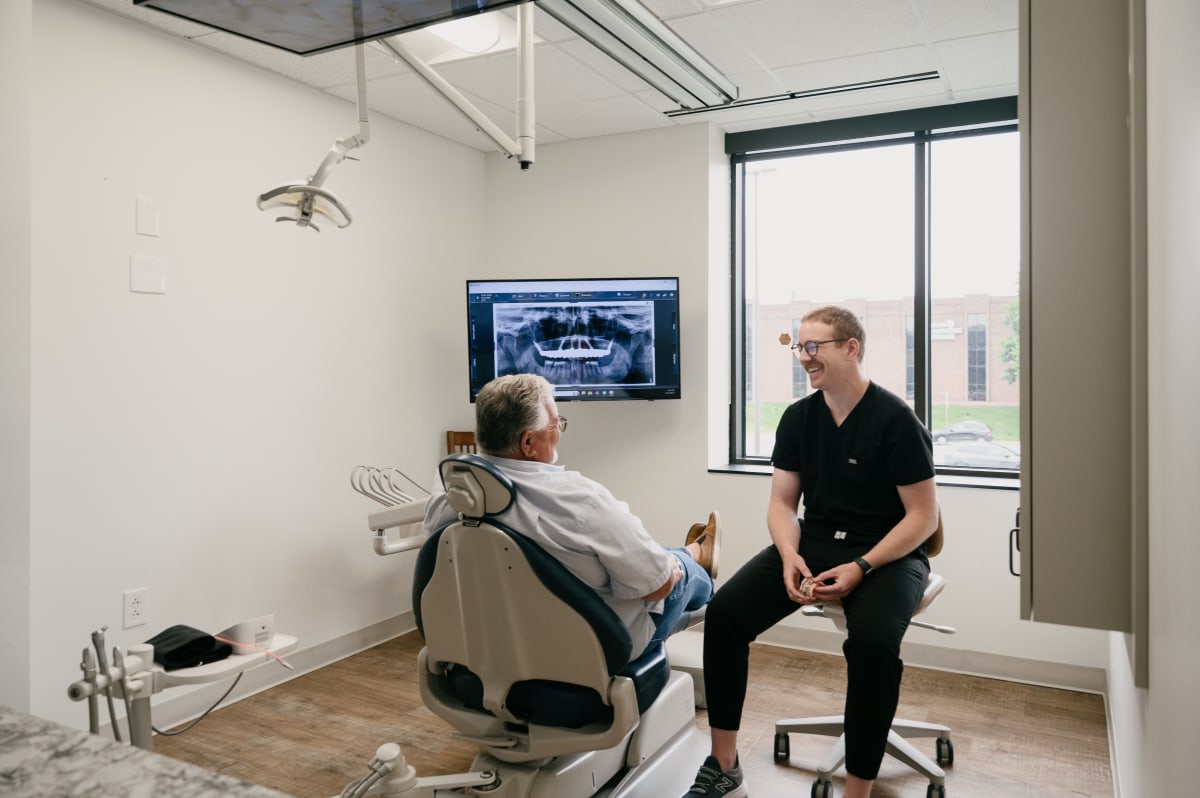
Is All-On-X Right for Me? Signs You’re a Candidate
All-inclusive Dentistry in Indianapolis
.svg)
Is All-On-X Right for You? Here's the Short Answer
If you've been researching tooth replacement options for a while, you already know how quickly the information gets overwhelming. Implant-supported bridges, dentures, snap-ins, full-arch restoration. The terminology alone can make a straightforward decision feel like a graduate-level research project. This page is built to cut through that confusion with honest, practical information that helps you make the right choice for your situation.
What makes this decision complex isn't just the clinical factors but navigating providers who may have different motivations. At Indy Dental Health, Dr. Matthew Fraiz and Dr. Brian Fraiz approach this conversation the way patients consistently describe wanting it: you get all of your options explained clearly, honest discussion of costs and timelines, and no pressure to decide during your first visit. The practice has three locations serving the Indianapolis area, including offices in Shelbyville and Greenwood, so accessing that kind of thorough consultation is straightforward no matter where you're coming from.
Before committing to any treatment path, there are core questions worth working through systematically:
- Current tooth loss and extraction timeline
- Bone density and jaw health status
- Overall health conditions affecting healing
- Treatment timeline and life schedule alignment
- Financial planning and insurance coverage
The sections below walk through each of those questions in detail, including what red flags to watch for when evaluating providers and how to get honest answers about costs before you're sitting in a treatment chair. If you'd prefer to start with a broader overview of the procedure itself, our All-On-X page covers the full clinical picture in one place.
What All-On-X Actually Is (And What It Isn't)
Before you can meaningfully compare your options, you need a clear picture of what All-On-X actually delivers. A lot of patients arrive having done real research, and still walk away from early consultations unsure whether what they heard matches what they read online. That gap is worth closing, especially when you're trying to evaluate whether a provider is being transparent about what the treatment actually involves.
At its core, All-On-X is a fixed, implant-supported arch. A small number of implants (typically four to six, depending on your anatomy and bone density) are placed in the jaw and used to anchor a full arch of teeth. Those teeth do not come out at night. They are not adjusted or relined like a traditional denture. They function as a permanent part of your mouth.
A few things this approach is not:
- It is not removable. If you have been comparing it to a snap-in or implant-retained denture, those are different solutions with different daily realities.
- It is not the same as replacing each tooth individually. Individual dental implants restore one tooth at a time. All-On-X uses fewer implants to support an entire arch as a single unit.
- "All-On-4" describes a concept, not a guaranteed specification. The number of implants and final design depend on your specific case.
The "same-day teeth" concept deserves honest explanation from your provider. Most patients leave their procedure with a provisional restoration in place, which means functional teeth on the day of surgery. The final, permanent arch typically comes after the implants have integrated with the bone over 3-6 months. Any provider who glosses over this healing period isn't giving you the complete picture.
Questions worth asking any provider:
- What does the provisional restoration allow you to eat during healing?
- How many follow-up appointments are typically needed?
- What happens if an implant doesn't integrate properly?
For a deeper look at how the procedure works, from the surgical phase through final placement, visit the All-On-X page.
The Clearest Signs You're a Strong Candidate
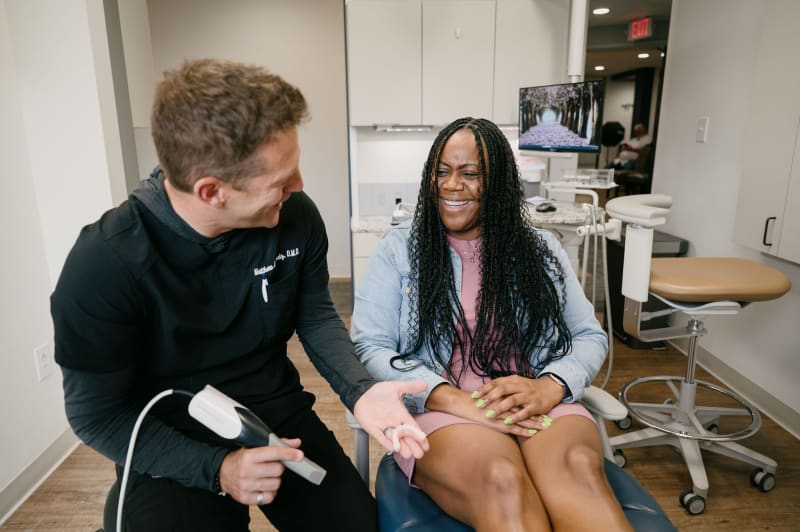
If you're a systematic thinker who wants a clear checklist before booking a consultation, here's what the clinical picture typically looks like for strong candidates. These are the situations where full-arch implant treatment tends to make the most sense:
- Multiple teeth missing or beyond repair. If you've already lost most of your teeth on one or both arches, or if your dentist has told you that extraction is the next step, full-arch replacement addresses the whole problem rather than patching around it. This is often more predictable than trying to save compromised teeth that may fail within a few years.
- Denture problems affecting daily life. Slipping, clicking, sore spots, food restrictions, and the constant need for adhesive are all signs that a removable appliance isn't giving you what you need. If you're avoiding certain foods or feeling self-conscious about your denture moving, that's affecting your quality of life in measurable ways.
- Widespread gum disease or decay. When the damage affects most of your teeth rather than isolated problems, restoring individual teeth one by one may not be the most practical path forward, especially if the underlying gum disease hasn't been fully controlled.
- Extractions already recommended. If you've been told that pulling teeth is inevitable, it's worth understanding your replacement options before that happens, not after. Planning ahead gives you more control over the timeline and process.
If you're checking two or more of these boxes, a consultation is worth your time. For more information about comprehensive treatment planning, visit our comprehensive dentistry page.
When Bone Loss Becomes Part of the Conversation
If you've already been looking into full-arch replacement, there's a good chance bone loss has come up. Maybe a provider told you that you don't have enough bone to move forward. That's one of the most common things patients hear, and it stops a lot of people from pursuing a solution that could genuinely change their quality of life.
Bone loss after tooth loss is expected. It's not a personal failure or a sign that something went wrong. When teeth are missing, the jawbone no longer receives the stimulation it needs to maintain its density and volume, so it naturally begins to resorb over time. The longer teeth have been missing, the more pronounced that change tends to be. This is a normal biological process, and it's one that the dental field has spent decades learning how to work around.
Bone grafting is sometimes part of the process. Whether it's needed depends on factors specific to your anatomy, your timeline, and the type of restoration being considered. Some patients need it. Many don't. The only way to know is through a proper evaluation that actually looks at your bone volume, not a general assumption made without imaging.
Here's what to expect from a thorough bone assessment:
- 3D imaging (CBCT scan) to measure actual bone volume and density
- Evaluation of sinus proximity and nerve locations
- Assessment of whether your existing bone can support implants
- Honest conversation about whether grafting would be recommended and why
A provider who suggests treatment without proper imaging is a red flag. If you've been told elsewhere that bone loss rules you out, it's worth getting a second opinion from a team that works with these cases regularly. Dr. Matthew Fraiz and Dr. Brian Fraiz have completed advanced training in implant placement and bone grafting techniques, and they evaluate each case individually rather than applying blanket rules about bone requirements.
Health Conditions That Affect Candidacy (And How to Think About Them)
Your overall health history plays a critical role in implant success. Understanding which conditions affect healing helps you prepare for an honest conversation with your provider about your specific risk profile.
A thorough health review isn't designed to exclude patients. It's a risk assessment that creates a treatment plan tailored to your medical situation. Many chronic conditions don't disqualify you from implants when they're well-managed.
The health factors that most commonly affect implant healing include:
- Uncontrolled diabetes (HbA1c above 7%), which slows healing and affects bone integration
- Active smoking, which reduces blood flow and increases failure risk by up to 15%
- Autoimmune conditions like rheumatoid arthritis that influence surgical healing
- Medications affecting bone density (bisphosphonates) or immune response (steroids, immunosuppressants)
- History of radiation therapy to the head and neck area
The distinction between "managed" and "uncontrolled" conditions matters significantly. A diabetic patient with an HbA1c of 6.5% who monitors blood sugar regularly represents a very different risk profile than someone with uncontrolled diabetes. Active health management actually strengthens your candidacy.
If a condition needs optimization before proceeding, like achieving better diabetic control or completing smoking cessation, you'll understand exactly why that step matters and what timeline works for your situation.
Come prepared with your current medication list, recent health changes, and information about any specialists you're working with. This helps create a treatment approach that works with your health profile.
You can explore real patient experiences from people who navigated similar health considerations during their treatment.
All-On-X vs. Other Full-Arch Options: How to Compare Them
If you've been reading through patient forums and real conversations, one thing has probably stood out: a lot of people feel like they're being steered toward a particular option before they've had a chance to ask questions. That frustration is valid. Understanding the actual differences between full-arch solutions matters before you sit down with anyone.
There are three main paths worth knowing about, each with different daily realities and long-term implications:
- Traditional full dentures are removable and rest on the gums. They're the most accessible option cost-wise but rely on suction and adhesives for stability. Over time, the jawbone beneath them continues to resorb, which can change the fit and affect facial structure. Expect relines every few years and eventual replacement.
- Implant-supported overdentures (sometimes called snap-on dentures) use a small number of implants to anchor a removable arch. You take them out for cleaning. They offer meaningfully better stability than traditional dentures. As one patient put it: "I am probably in the minority, but I'm an option 2 fan." For some patients, the combination of easier maintenance and good function makes this the right call.
- All-On-X uses strategically placed implants to support a fixed arch that stays in your mouth. It's not removable at home. The feel and function are closer to natural teeth, and because the implants stimulate the jawbone, you get better long-term bone preservation.
A good comparison comes down to four things: stability, maintenance, feel, and longevity. All-On-X tends to lead on stability and long-term bone health. Implant-supported overdentures offer a strong middle ground, especially for patients who prefer a simpler cleaning routine or have specific bone considerations. Traditional dentures remain a reasonable option for patients who aren't candidates for implants.
Red flags when comparing providers: Be cautious of consultations where only one option is presented, where costs aren't discussed upfront, or where you feel pressured to decide immediately. A thorough evaluation should include discussion of your bone health, overall health factors, lifestyle preferences, and honest cost breakdowns.
At Indy Dental Health we approach this conversation systematically. Our doctors have advanced training in implant placement and full-arch restoration, and they've consistently heard from patients who came in expecting a hard sell and left surprised by how much of the conversation was actually about their preferences and priorities.
If you want a deeper side-by-side breakdown, the All-On-X page walks through candidacy and what the process looks like in more detail.
The Financial Reality: Planning for an Investment This Size
For most people, the financial picture carries just as much weight as the clinical factors, and that's completely reasonable. All-On-X is a significant investment, and approaching it with the same analytical mindset you'd bring to any major financial decision is exactly the right instinct.
When you compare the investment against the cumulative cost of replacing individual teeth over time, repeated repairs to removable dentures, or ongoing treatment for deteriorating teeth, the lifetime math often looks very different than the sticker price suggests. Thinking in terms of total cost over ten or twenty years gives you a much clearer picture than the first invoice alone.
On the insurance side, transparency matters more than optimism. Most dental insurance plans have annual maximums (typically $1,000-$2,000) that were not designed with full-arch restoration in mind, which means coverage is typically limited. That said, there are other avenues worth exploring:
- Some medical insurance plans may contribute when tooth loss is connected to a documented medical condition
- HSA and FSA funds can often be applied to implant treatment, making pre-tax dollars work harder for you
- Care Credit and similar healthcare financing options may be available, though terms vary significantly
Critical questions to ask any provider during your consultation: What's included in the quoted price? Are there additional costs for extractions, bone grafting, or the temporary restoration? What happens if complications arise during healing? How much will ongoing maintenance cost over time? Will you get a written treatment plan with all costs outlined before any work begins?
At Indy Dental Health, Dr. Matthew Fraiz and Dr. Brian Fraiz approach financial discussions with the same transparency they bring to clinical planning. You'll get a clear breakdown of what treatment involves and honest guidance about managing the investment, without pressure to decide during your first visit.
What Maintenance Actually Looks Like Long-Term
One thing worth understanding before you commit to implants is that they're not a "set it and forget it" solution. A comment that comes up regularly in patient communities puts it well: implants need as much, if not more, maintenance than natural teeth. That's an honest take, and it's exactly the kind of thing patients need to factor into their decision.
Daily maintenance isn't harder, it's just different. You won't be navigating around roots and enamel the same way, but you'll still need to clean thoroughly around the implant posts and under the prosthetic. Specialized floss, interdental brushes, and a water flosser become your best tools. Most patients find a rhythm within a few weeks.
Professional care doesn't go away either. Regular cleanings and check-ins are still essential, because the tissue and bone around your implants need monitoring over time. At Indy Dental Health, the team's advanced training in implant placement means they also understand the long-term care requirements and can spot potential issues early.
Beyond hygiene, there's the prosthetic side to consider. Over years of use, components may need adjustment or replacement:
- Periodic tightening or recementing of the prosthetic (usually covered in routine visits)
- Replacement of acrylic or other materials that experience normal wear (every 5-10 years, typically $500-1500)
- Occasional imaging to confirm bone health around the implant posts
- Potential soft tissue adjustments as your mouth changes over time
Patients who go in with clear expectations about both the routine and the occasional maintenance needs are genuinely more satisfied long-term. For more details about the implant process itself, visit the dental implants page.
How Indy Dental Health Evaluates Candidates
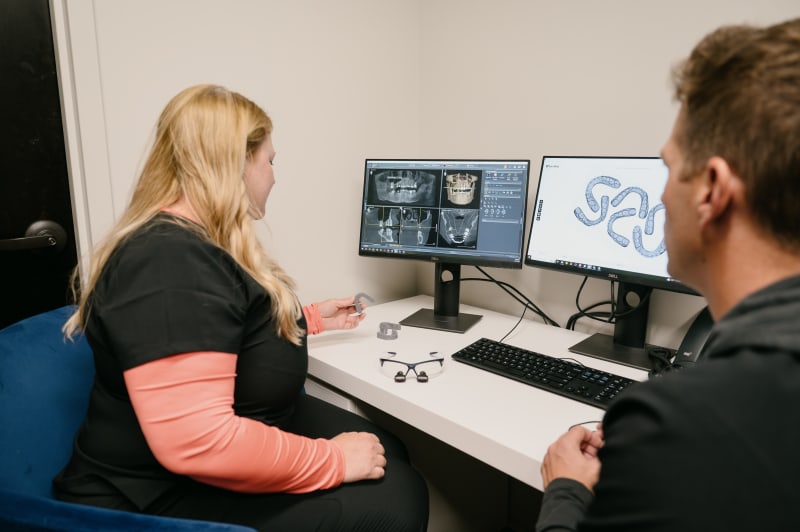
Knowing what to expect before you walk through the door makes a real difference. If you've ever left a dental consultation feeling like you sat through a sales pitch rather than a conversation about your health, you're not alone. That experience is exactly what the team at Indy Dental Health works to get right from the very first appointment.
At Indy Dental Health, Dr. Matthew Fraiz and Dr. Brian Fraiz have both completed advanced training in implant placement and full-arch restoration, which means they can evaluate your case comprehensively rather than referring you elsewhere for a second opinion.
A consultation starts with listening. Before any imaging or clinical review, you'll have a chance to describe what's bothering you, what you've tried before, and what matters most to you about your outcome. That context shapes everything that follows.
From there, the clinical evaluation typically involves:
- A thorough oral examination to assess the health of your gums, bone structure, and surrounding teeth
- Diagnostic imaging to give the care team a clear picture of what's happening beneath the surface
- A review of any existing dental records or treatment history you're able to share
- Discussion of your medical history and any factors that might affect healing or treatment success
What you should leave with is a clear picture of your current situation, which options are realistic for you, and what each path actually involves in terms of timeline, process, and investment. If a particular treatment isn't the right fit, the team will tell you that, too.
Questions worth asking during any All-On-X consultation:
- How many of these procedures has the dentist personally performed?
- What happens if complications arise during or after treatment?
- Can you see before-and-after photos of actual patients, not stock images?
- What does the total investment include, and what costs might come later?
- How long is the healing period, and what restrictions should you expect?
You can read more about what patients have experienced firsthand on the patient stories page. Consultations are available across all three Indianapolis-area locations: North Meridian, Shelbyville at (317) 398-6399, and Greenwood at (317) 865-1193.
Ready to Find Out If You Qualify? Here's Your Next Step
You've done your research. You understand the procedure, the candidacy factors, and what's involved. That kind of preparation deserves a real conversation with someone who can give you answers specific to your situation.
A consultation at Indy Dental Health gets you the information you need to make your decision. You're not committing to treatment. You're getting a professional evaluation of your specific case.
Here's what you'll know after that appointment:
- Your candidacy status for dental implants and All-On-X
- Which approach fits your anatomy and goals
- Your specific timeline and what each step involves
- The investment required and what's included
Read what other patients say about their experience on our patient stories page.
Contact the location most convenient for you:
- Indianapolis: 9333 N Meridian St, Suite #225, (317) 846-0981
- Shelbyville: 122 Lee Blvd, (317) 398-6399
- Greenwood: 997 E County Line Rd, Ste L, (317) 865-1193
When you're ready, we're here.
.jpg)
convenient
We invite you to enjoy trusted professionals, personalized treatment, and a great dental experience with three convenient locations to fit your life.

We can’t wait meet you
Request an appointment online to set up your first visit. We’ll be in touch soon.
schedule Appointment