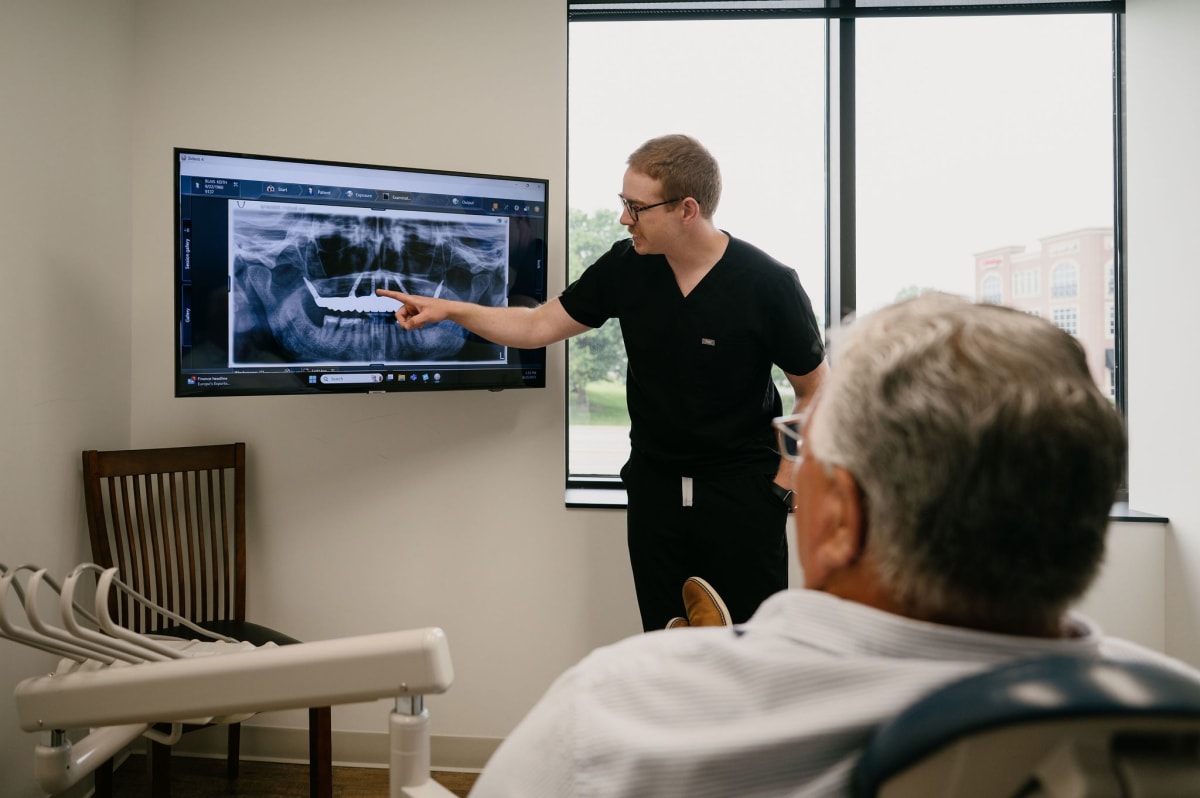
Dental Implants: Cost, Process & Long-Term Benefits
All-inclusive Dentistry in Indianapolis

What Are Dental Implants? (And Are They Right for You?)
A dental implant is a small titanium post that gets placed directly into your jawbone, acting as an artificial tooth root. Once it fuses with the bone, an abutment connects the post to a custom-made crown on top. The result looks, feels, and functions like a natural tooth. No slipping. No adhesives. Nothing removable sitting in a glass on your nightstand.
Dental implants offer one of the most natural-feeling, long-lasting solutions for replacing missing teeth. They work well for adults with healthy gum tissue and adequate jawbone density who want a permanent result. However, implants aren't suitable for every situation, and the best choice depends on your specific circumstances, health history, and treatment goals.
Many patients tell us they've felt rushed into treatment decisions elsewhere, or that providers seemed to have a preferred solution before fully understanding their needs. At Indy Dental Health, we take a different approach, walking through all your options and explaining what each one means for your specific situation before making any recommendations.
Understanding whether you're a good candidate involves several factors. During your consultation, we'll evaluate:
- The number and location of missing teeth you want replaced
- Your current jawbone density and whether grafting might be needed
- The health of your gums and any active periodontal concerns
- Your overall health and any conditions that might affect healing
- Your preferences for treatment complexity and long-term maintenance
Cost is often a primary concern for patients considering implants. While the upfront investment is higher than some alternatives, many patients find the long-term value compelling when they understand what's included and how implants compare to other options over time. We'll break down all costs clearly during your consultation so you can make an informed decision.
If you're unsure about candidacy or want to understand your options better, Indy Dental Health sees patients across our Indianapolis, Shelbyville, and Greenwood locations. A consultation gives you the clinical assessment and honest conversation you need to move forward confidently.
What You'll Learn in This Guide
- The complete implant process from consultation to final restoration
- Transparent cost information and what affects your investment
- How implants compare to bridges and dentures for your situation
- Candidacy requirements and what to expect during evaluation
- Long-term benefits beyond just replacing missing teeth
- Daily care requirements and what maintenance actually involves
- How to choose the right provider for your implant treatment
- Our approach to implant care and what makes it different
How the Implant Process Actually Works, Start to Finish
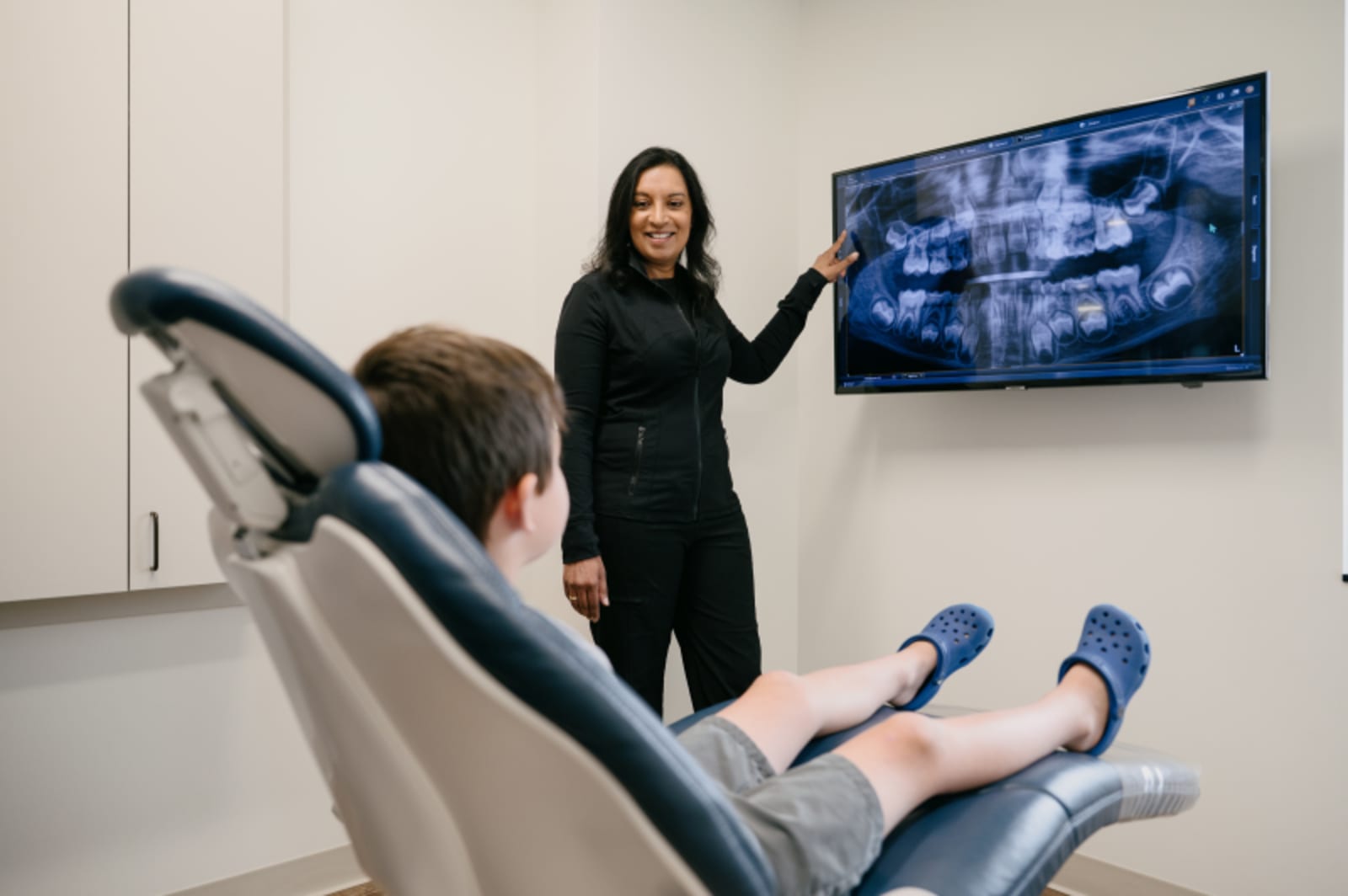
Getting a dental implant involves multiple appointments spread over several months. Understanding this staged approach helps you plan accordingly and know what to expect at each phase.
The process typically includes these phases:
- Initial consultation and evaluation: Comprehensive examination and imaging to assess your candidacy for implants.
- Site preparation: If needed, bone grafting or other preparatory procedures to create adequate foundation for the implant.
- Implant placement surgery: The titanium post is placed into the jawbone under local anesthesia. Most patients return to work the next day.
- Osseointegration (healing period): The implant fuses with surrounding bone over 3-6 months, creating the stability that makes implants feel like natural teeth.
- Abutment placement: Once healing is complete, a connector piece is attached to prepare for the final restoration.
- Final crown placement: Your custom crown is secured, designed to match your surrounding teeth in shape, size, and color.
A straightforward single implant typically takes 4-6 months from start to finish. Cases requiring extractions or additional preparation may extend to 6-9 months. While this timeline seems lengthy, each phase serves a specific purpose in creating a restoration that can last decades.
Questions about specific phases or what to expect during recovery? Our dental implants page covers each step in detail.
What Do Dental Implants Cost in Indianapolis?
Implant pricing varies significantly because each case involves different components and complexity levels. What one patient needs can look quite different from another's treatment plan.
A single dental implant in Indianapolis typically ranges from $3,000 to $5,000 when you include the implant post, abutment, and crown. Multiple implants, full-arch solutions like All-on-X, or cases requiring preparatory work will involve a higher investment.
Several factors influence your specific cost:
- Number of implants needed and their locations in your mouth
- Whether bone grafting or sinus lifts are required to create adequate foundation
- Crown material selection (porcelain, zirconia, or other options)
- Case complexity and any additional procedures needed
- Whether extractions are needed before implant placement
While implants cost more upfront than alternatives, the long-term financial picture tells a different story. Bridges typically need replacement every 10-15 years and require altering healthy adjacent teeth. Dentures require ongoing adjustments, relines, and eventual replacement as your jawbone changes.
Over a 20-year period, these recurring costs often approach or exceed the initial implant investment, while implants continue functioning without major interventions. This makes implants not just a clinical choice, but often a sound financial decision for long-term oral health.
Dental Implants vs. Your Other Options
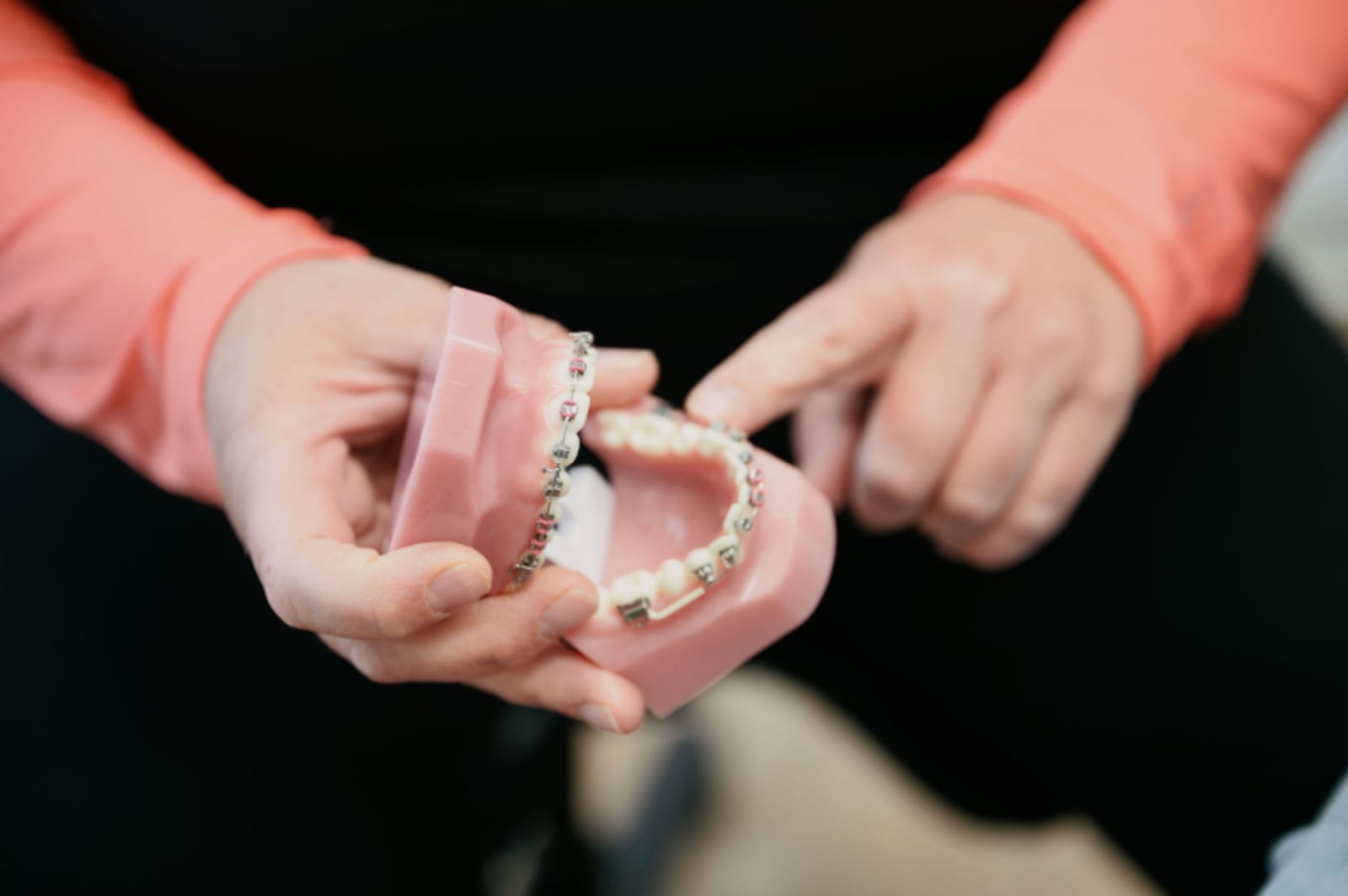
Implants receive significant attention, but they're one of several ways to replace missing teeth. Understanding what each option involves in your daily life helps you make a decision that fits your circumstances and priorities.
Each tooth replacement option has distinct advantages and considerations:
- Dental bridges anchor a replacement tooth to healthy teeth on either side of the gap. They're fixed in place and look natural, but require reshaping the supporting teeth, which permanently alters healthy enamel. Bridges don't stimulate the jawbone like natural tooth roots, potentially leading to gradual bone loss. Most bridges last 10-15 years before needing replacement.
- Partial dentures are removable appliances that clip onto remaining teeth to fill gaps. They offer a lower-cost entry point and work well for patients who aren't surgical candidates. Daily removal and cleaning are required, and some patients need time to adjust to the fit and feel.
- Full dentures replace all teeth in an arch using a removable appliance that rests on the gums. They require adhesives for stability and regular adjustments as the jawbone changes shape over time.
- All-on-X treatment uses strategically placed implants to support a full arch of replacement teeth. This approach combines implant stability with efficiency for patients missing most or all teeth in an arch.
The key differences lie in stability, maintenance requirements, and how each option affects your remaining teeth and jawbone over time. Implants preserve bone structure and don't impact adjacent teeth, while other options may require ongoing adjustments or eventual replacement.
When you're ready to explore your options, we can discuss how each approach would work specifically for your situation. Our Indianapolis, Shelbyville, and Greenwood locations offer comprehensive evaluations to help you understand which treatment path aligns with your health, lifestyle, and goals.
Are You a Good Candidate for Dental Implants?
Determining whether your body can successfully support an implant requires evaluating both your current oral health and your overall medical picture. Many patients worry about qualifying for implants, especially if they've been told they're "not a candidate" elsewhere.
Candidacy can change over time. What might not be possible today could become an option with the right preparatory treatment. Key factors we evaluate include:
- Jawbone density and volume: Implants need adequate bone for stability. If bone loss has occurred, grafting procedures can often rebuild the foundation needed.
- Gum tissue health: Active gum disease must be treated before implant placement to ensure long-term success.
- Medical history and medications: Conditions like diabetes, autoimmune disorders, or certain medications can affect healing. We coordinate with your physician when needed.
- Lifestyle factors: Smoking significantly impacts implant success rates and may require lifestyle modifications for optimal outcomes.
Timing affects treatment complexity. Bone naturally resorbs after tooth loss, so patients who seek treatment within the first year often have more straightforward options. However, even if years have passed, solutions exist that may require additional preparatory steps.
Some patients can move directly to implant placement, while others benefit from a staged approach that addresses underlying issues first. Understanding your specific candidacy and treatment path helps you make an informed decision about moving forward.
The Long-Term Benefits Most People Don't Consider
Beyond immediate concerns about appearance and cost, implants offer unique long-term health advantages that other tooth replacement options cannot provide.
Implants are the only replacement option that preserves jawbone density through natural stimulation. The titanium post continues providing the mechanical stimulation your bone needs to maintain its structure and your facial contours over decades.
This bone preservation prevents the gradual facial changes that can occur with other treatments. Patients who choose alternatives sometimes notice subtle changes years later, including a sunken appearance around the mouth or bite alignment shifts.
Implants also protect your remaining healthy teeth by standing independently. Unlike other options that may require altering adjacent teeth, implants leave your natural teeth completely untouched.
Many patients describe unexpected benefits in their professional and personal lives. Full chewing function, clear speech, and confidence in social situations affect how people engage at work and in relationships.
Key long-term advantages include:
- Permanent bone preservation that maintains facial structure
- Protection of adjacent healthy teeth
- Unrestricted diet and full chewing function
- Decades of durability with proper maintenance
- Professional and social confidence without limitations
Understanding these long-term health benefits helps patients make decisions that serve their overall well-being for years to come, not just their immediate needs.
How to Care for Your Implants (They're Not Maintenance-Free)
Dental implants require daily attention similar to natural teeth. While the implant itself can't decay, the surrounding gum and bone tissue can be compromised without proper care.
Your daily care routine should include:
- Brushing twice daily with a soft-bristle toothbrush, focusing on where the implant meets the gumline
- Daily flossing using implant-specific floss or a floss threader to clean around the post
- Water flossing to remove bacteria from areas traditional floss may miss
- Using an antimicrobial mouth rinse if recommended by your hygienist
Professional cleanings use specialized instruments designed for implants to avoid scratching the surface. These visits also monitor for early signs of peri-implantitis, a condition similar to gum disease that affects tissue around implants.
Peri-implantitis develops when bacteria accumulate around the implant, causing inflammation and potentially bone loss if untreated. Early detection makes treatment much more straightforward.
Contact your dentist promptly if you notice any of these warning signs:
- Swelling, redness, or tenderness around the implant site
- Bleeding when brushing or flossing near the implant
- Any sensation that the implant feels loose or is shifting
- Persistent discomfort that develops after healing is complete
- Changes in how your bite feels when the implant crown contacts other teeth
Most patients with consistent oral hygiene habits maintain their implants successfully for decades. The key is establishing good routines early and staying consistent with both home care and professional maintenance.
For more information about dental implants, our team provides detailed care instructions and ongoing guidance throughout your treatment.
What to Look for When Choosing an Implant Provider
Choosing the right implant provider affects everything that follows, from your initial experience to long-term success. Many patients tell us they wish they'd known what questions to ask during their first consultations elsewhere.
The questions you ask during consultation reveal a lot about both you and your potential provider. Consider asking about the provider's experience with cases similar to yours, what happens if complications arise, who handles emergency calls, and whether they perform all phases of treatment in-house or refer to specialists. Providers who welcome detailed questions and answer them thoroughly demonstrate the transparency you want in a long-term treatment relationship.
Several warning signs suggest you might want to continue your search:
- Pressure to commit or make payment on the same day as your consultation
- Pricing quoted as a single number without breakdown of individual components
- Skipping diagnostic imaging in favor of visual examination alone
- Vague answers about what's included versus what might be billed separately later
- Reluctance to discuss potential complications or alternative treatment options
Provider credentials and training matter significantly for implant success. Look for dentists who have completed advanced implant education beyond dental school and maintain continuing education in implant techniques. Ask about their experience with cases similar to yours and whether they handle complications in-house or refer elsewhere.
How We Approach Implant Care
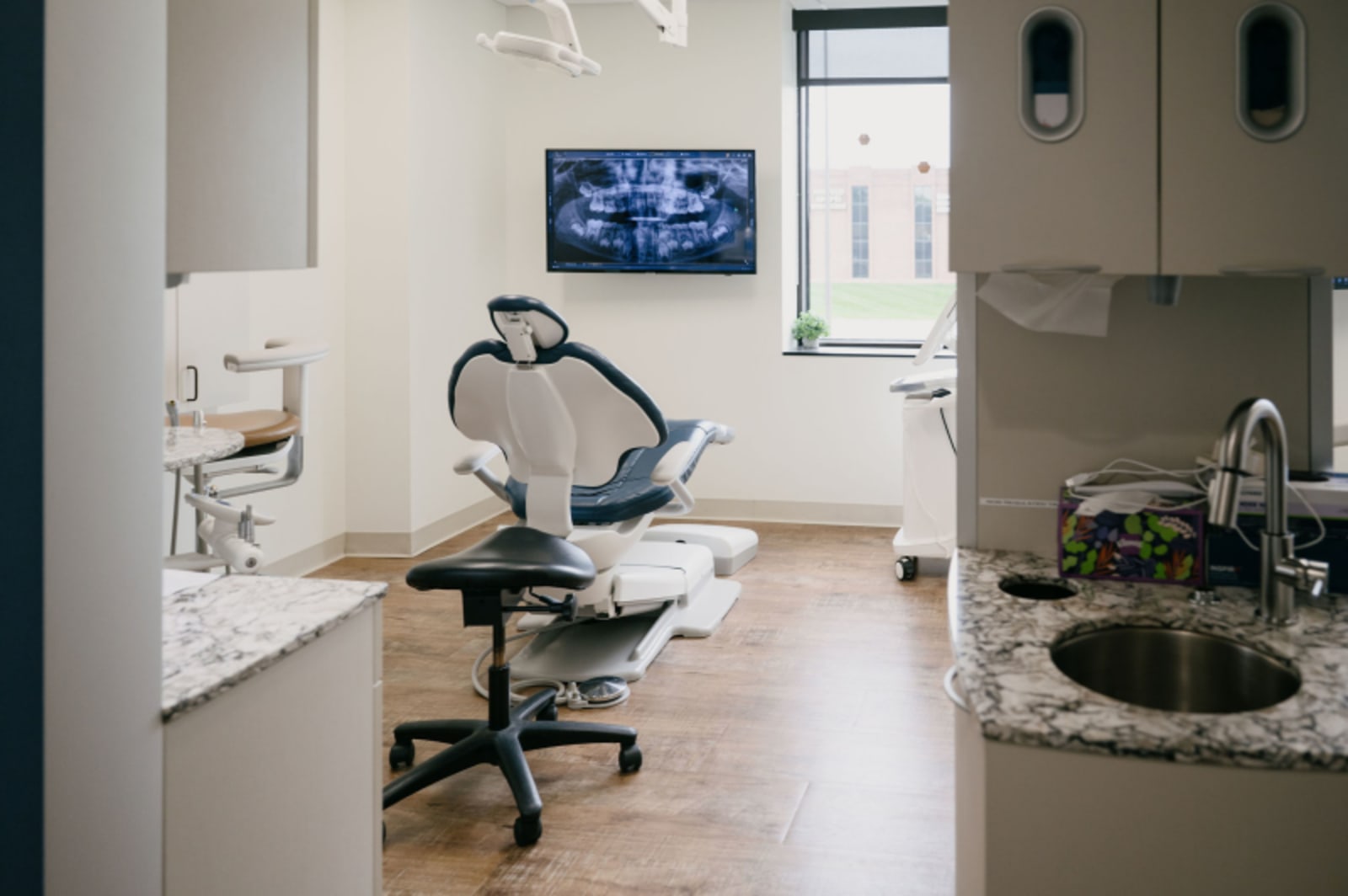
Whether you're reaching out to our Indianapolis, Shelbyville, or Greenwood office, the experience begins with a real conversation about your needs and concerns. Many patients tell us they've felt rushed through consultations elsewhere or pressured to make decisions before understanding all their options. We take a different approach.
We believe in transparency about candidacy. Some patients aren't ready for implants immediately. Perhaps gum disease needs treatment first, or bone grafting is required to create a stable foundation. We'd rather address these factors upfront than proceed with a plan that won't deliver the long-term results you're investing in.
Dr. Matthew Fraiz and Dr. Brian Fraiz have completed advanced training in implant placement and restoration, including specialized courses in bone grafting and complex cases. We also offer general anesthesia for implant placement. This expertise allows us to handle most implant cases in-house rather than referring you to multiple specialists, which can complicate both your treatment timeline and costs.
Our patient stories offer insight into what working with our team feels like from start to finish. When you're ready to explore your options, we're here to provide the thorough evaluation and honest guidance you need to move forward confidently.
Ready to Find Out If Implants Are Right for You?
A consultation isn't a commitment to treatment. It's an opportunity to get clear answers about your specific situation and walk away with the information you need to make a confident decision.
We serve patients across the Indianapolis metro area from three convenient locations. Contact the office closest to you to schedule your consultation:
- Indianapolis: 9333 N Meridian St, Suite #225, Indianapolis, IN 46260 | (317) 872-3465
- Shelbyville: 122 Lee Blvd, Shelbyville, IN 46176 | (317) 398-6399
- Greenwood: 997 E County Line Rd, Ste L, Greenwood, IN 46143 | (317) 865-1193
Whether you're considering dental implants, All-on-X, or other tooth replacement options, our team looks forward to helping you explore what works best for your situation and goals.

convenient
We invite you to enjoy trusted professionals, personalized treatment, and a great dental experience with three convenient locations to fit your life.

We can’t wait meet you
Request an appointment online to set up your first visit. We’ll be in touch soon.
schedule Appointment